TEST RECORD
- DATE
- November 26, 2026
- DESK
- EV SERVICE
- READ TIME
- 3 MIN
- WORDS
- 571
IONNA opens 22-bay Rechargery in California, adds Tesla Autocharge
IONNA's largest Rechargery opens in Westminster, California with 22 bays on a 4 MW grid connection, while network-wide Tesla Autocharge arrives via the Presto app.
SPECIFICATION
- 1
IONNA opened a 22-bay Rechargery in Westminster, California: 12 CCS and 10 NACS connectors on a 4 MW grid connection.
- 2
Tesla Autocharge is live network-wide via the Presto app; no manual authentication needed after one-time vehicle and payment linking.
- 3
Jeep, Dodge, Ram and Fiat BEV support arrives in December with discounts from 10 per cent up to 25 per cent for eligible connected-service subscribers.
- 4
IONNA targets 30,000 charging points across North America by 2030; it passed 100 locations and about 1,000 charging points in March 2025.
- 5
IONNA plans to invest more than $250 million in California charging infrastructure over three years.
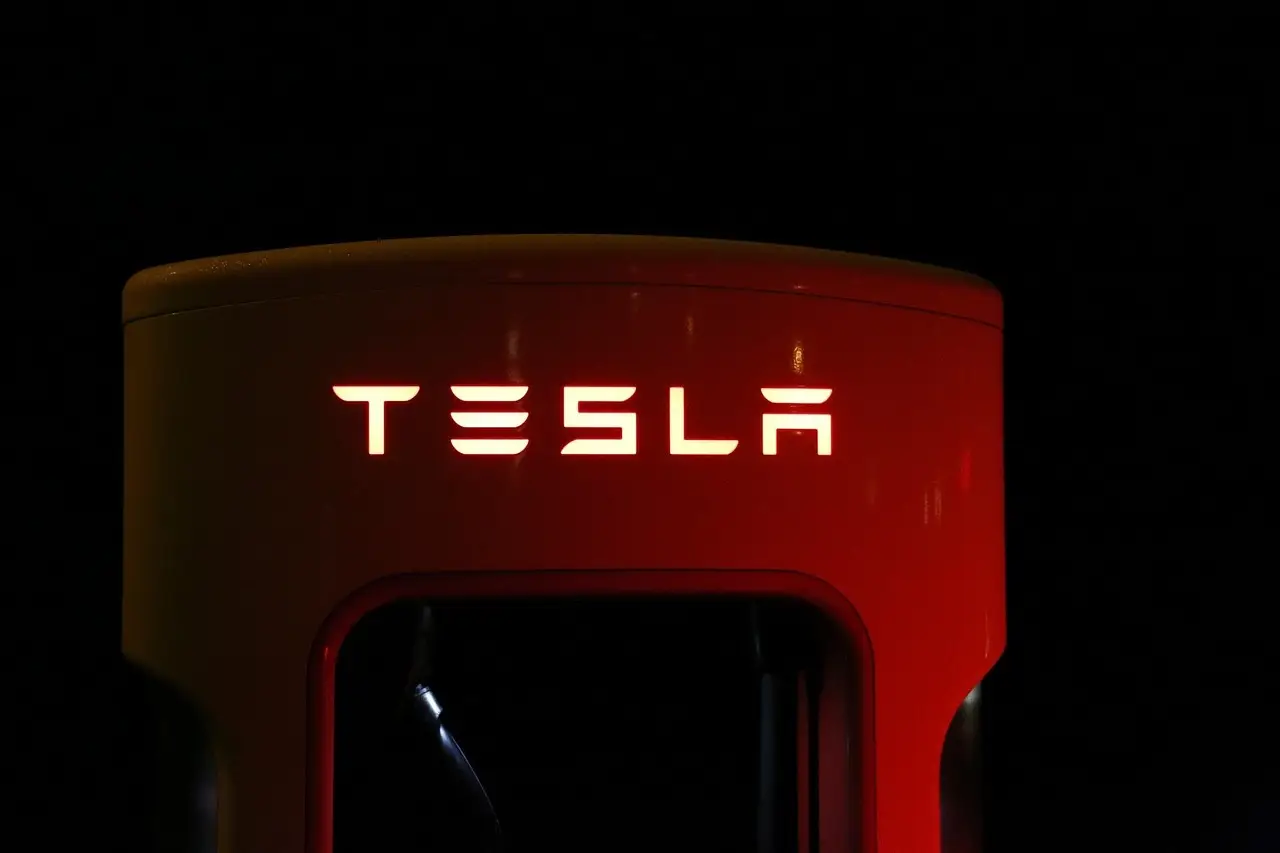
IONNA has opened a 22-bay charging hub in Westminster, California — its largest "Rechargery" to date — and switched on Tesla Autocharge across its network through the Presto app. The site runs on a 4 MW grid connection, which lets multiple vehicles charge at high power at the same time without the site falling over.
The layout splits 12 CCS connectors from 10 NACS connectors. Customers get indoor and outdoor seating, dedicated toilets, and a convenience store using Amazon's Just Walk Out technology. That is the retail side. The 4 MW feed is the engineering side, and it is the number that matters when you are sizing a site for peak demand.
What does Autocharge change for Tesla drivers?
Tesla owners link their vehicle and payment details once in the Presto app. After that, plugging in starts the session — no manual authentication, no app dance at the dispenser. IONNA already offers automatic charging for a list of other manufacturers: BMW, GM, Hyundai, Kia, Mercedes-Benz, Porsche, Rivian, Toyota, Volvo and Ford. The authentication stack has been building for a while: IONNA integrated Hubject's Plug & Charge system, based on the ISO 15118-2 standard, as reported in February 2025.
The takeaway: the plug-and-charge workflow is now the baseline, not a perk.
Which brands come next, and what do they get?
Support for eligible battery-electric vehicles from Jeep, Dodge, Ram and Fiat arrives in December. Those customers also get charging discounts, starting at 10 per cent and rising to 25 per cent for drivers holding an eligible connected-service subscription. For shop owners advising fleet customers on where to route charging spend, that discount structure is worth knowing before December.
The takeaway: Stellantis-brand EV owners get both access and a price break inside a month of the rollout.
How big is the network behind the hub?
The Westminster opening follows a series of cross-country demonstration runs. Twenty EVs covered a combined distance of more than 40,000 miles on IONNA's network, and the company says those vehicles charged at roughly 30 per cent of its more than 220 locations. That figure says something about route density: a third of the network carried the full demonstration load.
Growth has been fast. IONNA opened its first charging hub in North Carolina in early 2025. By March, as reported, the joint venture had reached 100 operational locations with around 1,000 charging points, plus a further 340 hubs under contract. The longer-term target is 30,000 charging points across North America by 2030.
The takeaway: the build-out curve is steep, and the contract pipeline already triples the live footprint.
What is IONNA doing in California specifically?
The Westminster facility builds on a stated plan to invest more than $250 million in California's charging infrastructure over three years, with Westminster named among the expansion locations. That is a meaningful commitment to one state, and it signals where the next wave of large-format sites will land.
For technicians, the practical read is simpler. More 4 MW-class sites mean more high-power dispensers in the field, more NACS hardware to understand, and more plug-and-charge sessions that skip the app entirely. The shop that knows how Autocharge, Plug & Charge and ISO 15118-2 interact will spend less time guessing at customer complaints about failed authentication. The industry moved past the card reader. That part is settled.
via electrive (Source)
More from Priya Raman
Show full bio
Correspondent covering people, launches and day-to-day practice in Mechanic Daily is the daily trade press for at Mechanic Daily.
39 articles